Education is the process of learning in an institution like school, college or university to acquire knowledge, skills, values, beliefs and habits. The word “education” is derived from the Latin word “ēducātiō” which means breeding or bringing up. The primary methods of education are teaching, training, storytelling and discussion. The invention of schools, colleges started in the 16th century. Before that, education was simply teaching children about culture or rather making them adapt to a culture which will mould their values, beliefs, principles as they grow into adulthood. But as time passed, a lot of cultures started emerging with the rise in population. People started travelling in different parts of the world and learned about other cultures that were based on religion, region, ideologies, etc. People had a lot of differences depending on their upbringing, and they would have differences in values, beliefs, opinions, behavior, language, way of living, etc. Education was a way to bring these cultures together by studying them, practicing them, adapting to them, and maintain peace with the people of other cultures. This went on for thousands of years until formal education started in institutions like schools, colleges, universities. In these institutions, not only history, but also subjects like literature, geography and science were being taught. The whole idea of formal education was providing knowledge about the world and using it for the betterment and development of society.
The perception of education has changed over the years. Earlier, education was regarded very highly by the society. In rural areas, education was a privilege and people had more respect for the educated than the non-educated. The villagers who used to come to the city were looked downed upon and made fun of. There was a lot of discrimination as the society shamed the poor and the illiterate. But now the perspective of education has changed. Education is no more a privilege; it has become a basic need. In both rural and urban areas, it is possible for every child to get education. Every citizen has the right to education and hence there are government schools, public schools, etc in rural areas as well. There is no doubt that due to the increase in schools, competition has also increased. Currently competition is the point of discussion. Now, it’s not about whether the parents can afford education for their child, but about what quality of education they can afford. Parents want their child to beat this competition by studying well and securing their future by getting a job with decent pay. This is where a lot of pressure is put upon on children to meet their parents’ expectations. In the race of marks and grades, most of the students forget about their dreams, aspirations and end up doing dissatisfactory 9-5 jobs. In this race, the essence of education, which is learning, is lost. The rest of the students who get to chase their dreams are obstructed by the competition and the education system itself. It is necessary to narrow down the subjects for students so that they can only study what they need to study. The syllabus should only contain the topics that will educate them in the field they want to work in. Subjects unrelated to the field of choice should be removed to save the students’ time and effort. Currently, the structure is designed for the student to study every part of every topic that is considered to be “general knowledge”. The students fail to focus on their passion and are forced to study subjects unimportant to them to either pass or earn a good average in their exams. Therefore, in today’s day and age, if you want to chase your dream, you have to work on it by yourself along with completing your education. My father always says,
“Education is just a platform, you can become anything you want if you work on it on your own.”
Though there are some students who don’t get to choose the field they want to work in. Sometimes, the parents don’t approve of the field and they force the child to pursue mainstream careers like becoming an engineer, doctor, CA, etc. Other times, the child itself is confused about what he/she wants to do. In such a case, proper guidance is essential. Career guidance counselors can really help you to find out your abilities, capabilities and align them with your interests to choose a career that won’t bore you for the rest of your life. They will also make the parents understand that forcing the child to pursue a career of their choice will leave him/her working for something that will probably never make them happy. Guidance counselors will provide you knowledge about the field you want to choose and guide you in pursuing the career of your choice. They will tell you what opportunities and obstacles would come your way if you choose a particular field. It will give you an assurance that the child will be ready and prepared for his/her future.
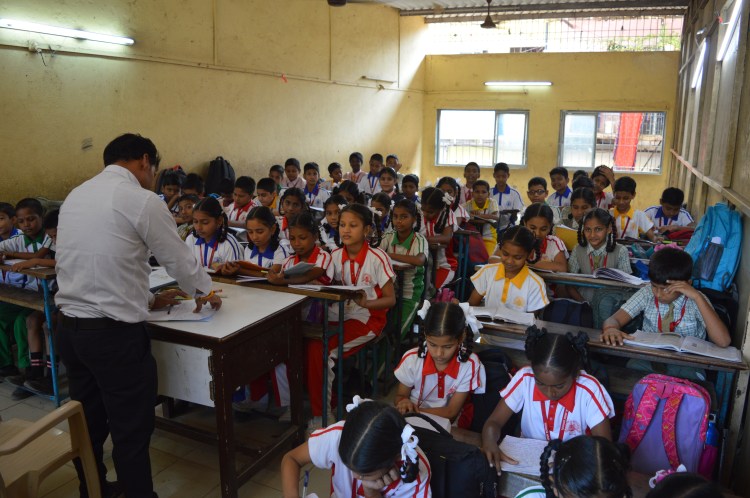
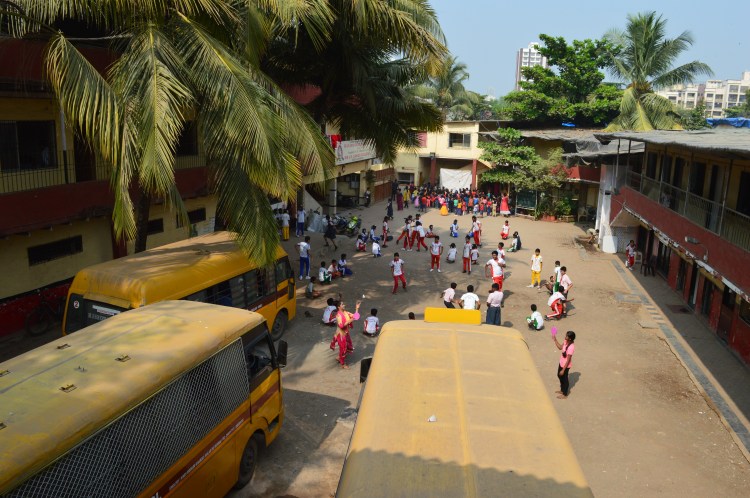
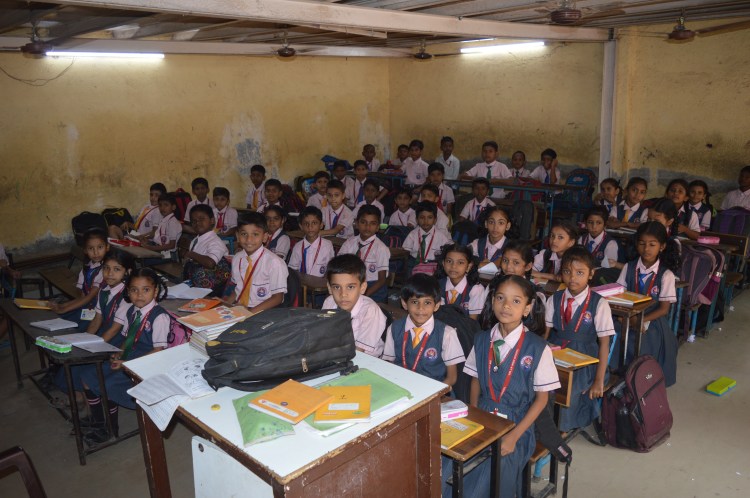
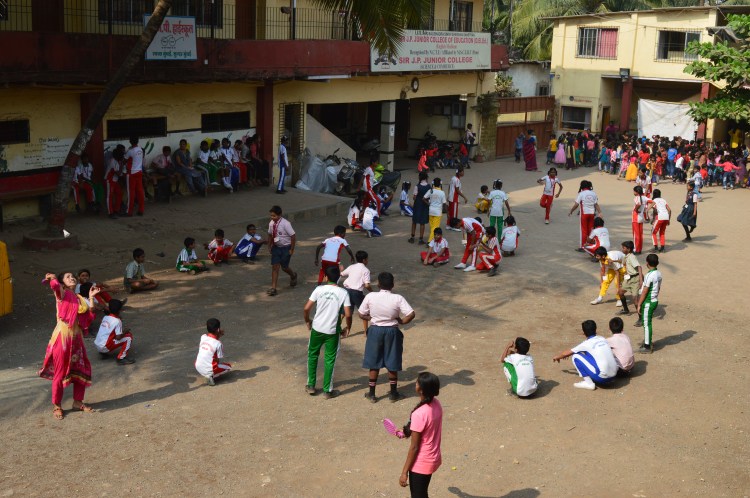
A lot of changes could be made in the methods of providing education. Along with teaching, training should be valued greatly so that students can gain practical knowledge and experience. Sitting in a class, listening to the teacher is not enough for humans to learn and remember concepts. In colleges and universities, training is given equal importance because as soon the students graduate from these institutions they have to start working. However in schools, this is not the case. 90% of our school lives have been spent in the classrooms. The rest 10% are real life projects, extracurricular activities, industrial visits, field visits, etc. Young people have open minds waiting to be influenced. Most of the values, beliefs of adults are shaped by the experiences they had or the knowledge they gained in their childhood. Therefore, at least 30-40% of the school syllabus should include training. That is why Sir J.P. High School carries out a lot of activities on trending topics, important issues to keep the students informed, aware and “woke” in the real world. The aim of the school is providing quality education at low costs to develop progressive students. This process of developing progressive students includes educating the students how to contribute to society with the knowledge and intelligence they have. Even mischievous students will turn into responsible adults. Teaching the students to do good work at a young age would turn them into good individuals and good citizens of the country.
The way the system works, the focus shifts more on providing knowledge rather than learning. The main purpose of education is learning. People with higher intelligence learn quicker and gain more knowledge. But the syllabus and the teaching process should be in such a way that all students benefit from it. If we focus on improving the intelligence of an individual rather than just filling his/her mind with knowledge, then more people would learn better. A human brain can only store some information at a time. Therefore, most of the knowledge we have gained, slowly gets stored in the back of our minds. However intelligence is something which can be gained and maintained for a longer term. Hence when students graduate and step into the world of jobs, businesses, etc the intelligence that they’ve sculptured over time is more useful than the knowledge they’ve gained. It leads to working in a smarter and functional manner. Usually the more intelligent people do great things and provide groundbreaking contributions to the world and become leaders, pioneers, discoverers, etc whereas the rest of the unintelligent become mere admirers or followers working their 9-5 jobs.
– Anukul Thete
 Sir J.P. High School